Landlords can reduce tenant turnover by prioritizing proactive property maintenance and responding rapidly to repair requests. Implementing fair rent policies, offering renewal incentives, and maintaining clear communication channels further encourages long-term residency for tenants in Nephi and Juab County.
Every vacant unit in Juab County represents a significant leak in your investment's profitability. Beyond the immediate loss of monthly rent, the cumulative costs of deep cleaning, professional marketing, and intensive tenant screening can quickly overshadow your annual gains. For property owners in Nephi and the surrounding areas, high turnover is not merely an inconvenience; it is a direct threat to the long term health of your real estate portfolio. This guide provides a sophisticated, practical framework for securing resident loyalty and stabilizing your cash flow. We will examine the true financial impact of vacancies in Central Utah and outline strategic maintenance and remodeling techniques that justify higher retention. From mastering tenant communication to understanding when a vacancy serves your interests, you will gain the expert insights necessary to transform your property management approach into a high performance retention engine.
Understanding the True Cost of Tenant Turnover in Central Utah
Tenant turnover occurs whenever a resident moves out and a lease is not renewed. For property owners in the Nephi area, this process represents more than just a logistical hurdle; it is the single most significant factor impacting your annual return on investment. While national industry data often places the cost of a single turnover between $2,500 and $4,000, those figures can feel abstract until you apply them to Juab County’s specific market conditions. Even with local rent levels, a vacant unit quickly becomes a significant financial liability.
The drain of a vacancy is rarely limited to the obvious expenses. Instead, it is an accumulation of hidden costs that quickly erode several months of profit. First, there is the immediate loss of rental income during the vacancy period. Even a quick 14 day turnaround in Nephi means losing half a month’s revenue. Beyond the lost rent, owners must account for:
Deep Cleaning and Prep: Professional sanitation and minor cosmetic repairs are essential to attract a high quality replacement.
Marketing Expenses: This includes listing fees on major platforms and the time required to capture professional grade photos.
Administrative Labor: The hours spent coordinating showings, reviewing applications, and performing rigorous background screenings represent significant soft costs.
By utilizing professional property management services, landlords can often streamline these phases. However, the most effective way to protect your bottom line is to proactively reduce tenant turnover by keeping reliable residents in place. When a property stays occupied for three years instead of one, the savings in marketing and tenant placement fees stay in your pocket rather than being lost to the cycle of unit turnover.
Why Tenants Leave: Moving Beyond National Surveys
Identifying the root causes of a vacancy is the first step toward a more stable rental portfolio. While national surveys often cite financial factors as the primary driver for relocation, local dynamics in Juab County tell a more nuanced story. To effectively reduce tenant turnover, landlords must distinguish between unavoidable circumstances and those within their direct control.
Unavoidable turnover often stems from positive life milestones. Tenants frequently move out because they are transitioning into homeownership, relocating for a job outside of the Nephi area, or outgrowing a space due to a growing family. These are widely considered good reasons for moving out from a tenant's perspective; they reflect a natural life progression rather than a failure of the rental property. In these cases, the move is inevitable, and the landlord's role shifts to ensuring a smooth transition for the next occupant.
In contrast, avoidable turnover is almost always a reaction to the property management experience. Residents typically leave when they feel their maintenance requests are ignored, the interiors feel stagnantly outdated, or communication with the landlord is inconsistent. When a resident feels their home is neglected, even a modest rent increase can trigger a move. Addressing these pain points is essential. If a tenant feels valued and lives in a well maintained space, they are significantly less likely to undergo the stress and expense of moving, even when market conditions shift.
Strategic Maintenance: The Foundation of Tenant Retention

To effectively reduce tenant turnover in a close knit community like Nephi, maintenance must be viewed as a relationship building tool rather than a chore. In Juab County, news of a landlord’s responsiveness, or lack thereof, travels quickly through local networks. When a resident sees a maintenance technician inspecting the roof before a heavy snow or checking the exterior spigots in October, it sends a clear signal that the owner is invested in the property’s longevity and the resident's comfort.
Proactive maintenance is the cornerstone of this strategy. Rather than waiting for a frantic call about a flooded kitchen, a professional property management services approach involves routine inspections of plumbing seals and water heater pressure valves. This "fix it before it breaks" mentality eliminates the high stress emergency repairs that often sour a tenant's experience. When issues are addressed before they become inconveniences, it builds a level of trust that is difficult to replicate through marketing alone.
Central Utah’s climate presents unique challenges that require seasonal diligence. During our scorching summer months, an aging HVAC system pushed to its limit will eventually fail, potentially leaving a tenant in an uncomfortable or even dangerous home environment. Similarly, winter temperatures in Nephi frequently drop well below freezing, placing significant strain on plumbing systems. By performing pre season tune ups on furnaces and ensuring proper insulation for pipes, landlords can prevent the most common seasonal frustrations. When a tenant knows their home is prepared for the elements, they feel secure. This physical reliability is the primary reason residents choose to stay, protecting your investment from the costs of unnecessary vacancy.
Boosting Retention Through Strategic Remodeling and Modernization

While consistent maintenance prevents frustration, strategic modernization transforms a property from a temporary stop into a long term home. In the competitive Juab County market, tenants are increasingly looking for finishes that mirror the quality of a single family residence. By investing in quality residential remodeling, owners can significantly reduce tenant turnover by eliminating the desire for residents to shop around for newer builds.
High impact updates, particularly in kitchens and bathrooms, provide the highest return on resident satisfaction. Replacing dated laminate with modern countertops and installing contemporary cabinets instantly elevates the living experience. Similarly, replacing worn carpet with durable, wood-look luxury vinyl plank flooring makes the space feel cleaner and more permanent. These upgrades move the needle from a functional shelter to a place where a tenant feels pride of ownership.
The aesthetic quality of a home directly correlates to a tenant's willingness to accept annual rent adjustments. When a property feels premium, a resident views a modest rent increase as a fair trade for a superior living environment. They are less likely to incur the high costs of moving when their current residence already offers the modern amenities they desire. If you are unsure which updates will yield the best retention in our local market, you can contact JRGoble Properties for a professional assessment of your rental’s potential.
Mastering the Art of Communication and Relationship Building

While a modern kitchen is a significant draw, the quality of the landlord tenant relationship often determines if a resident stays for another year. Many tenants identify slow response times or unprofessional, disorganized interactions as major red flags. In a small town like Nephi, where word of mouth matters, a reputation for poor communication can make it significantly harder to attract and keep high quality residents.
Effective retention begins with setting clear expectations on move-in day. By outlining exactly how to report repairs and what the typical response window looks like, you eliminate the uncertainty that often breeds frustration. Utilizing professional property management services provides a vital buffer; it ensures interactions remain business-like and objective while maintaining a high standard of helpfulness. This professional distance prevents personal friction and ensures that no maintenance request or administrative inquiry falls through the cracks.
To further reduce tenant turnover, consider proactive touchpoints that go beyond standard legal notices. A simple 90 day check-in call to ask how the home is performing can catch minor issues before they become move-out triggers. For lease renewals, offering a small incentive, such as a gift card to a local Nephi business, shows tangible appreciation. These small gestures humanize the business relationship and reinforce the tenant’s decision to call your property home for the long term.
Smart Leasing Strategies for Long Term Occupancy
Successful relationship building creates the foundation, but technical lease management provides the structure for long term occupancy. To effectively reduce tenant turnover, landlords must be proactive rather than reactive during the renewal cycle. One of the most effective tools for stability is the multi-year lease option. By locking in a rate for 24 months, you provide the resident with financial predictability while securing your own cash flow against potential market fluctuations in Juab County.
Communication regarding renewals should ideally begin 60 to 90 days before the current lease expires. This timeline allows tenants to evaluate their future plans without feeling pressured; it also gives you ample time to market the property if they do choose to move. When discussing rent adjustments, consider the total cost of a vacancy. Jumping immediately to top market rates can alienate a reliable resident who has taken excellent care of the home.
Instead, consider offering a "retention discount" for stellar tenants. If the current market rate is significantly higher than their current rent, proposing a renewal rate that sits slightly below market but above their current payment can be a powerful incentive. This strategy makes your property more attractive than newer developments in the area that may have higher entry costs. Utilizing professional property management services helps automate these renewal windows and ensures that rent increases are handled with a data driven approach that balances revenue goals with the necessity of stable occupancy.
When Turnover is Actually a Good Thing
While the primary focus of technical lease management is to reduce tenant turnover, experienced owners recognize that a vacancy can occasionally be a strategic advantage. Attempting to retain a resident at all costs is counterproductive if that individual consistently violates lease terms or demonstrates chronic delinquency with rent payments. In these instances, the administrative burden and ongoing financial risk of a problematic tenancy outweigh the expense of finding a high quality replacement.
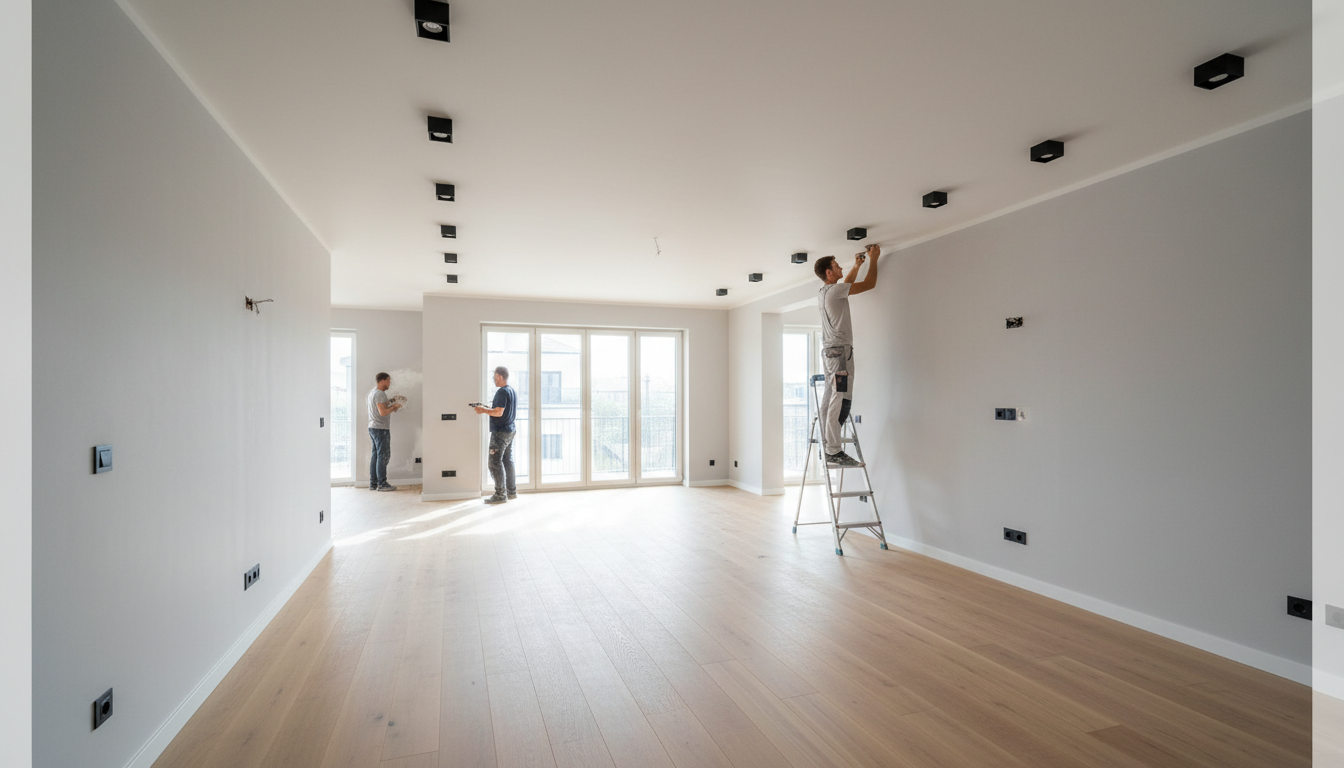
Strategic turnover is also essential when a property requires quality residential remodeling that cannot be completed safely while occupied. If a unit in Juab County requires structural alterations, significant layout changes, or a complete overhaul of the plumbing and electrical systems, an empty building allows for a faster and more thorough renovation. This transition period provides an opportunity to reset the property’s market value, attracting a new tier of residents who are willing to pay a premium for a modernized space. Utilizing professional property management services ensures that these necessary exits are handled legally and professionally, transforming a potential loss into a deliberate step toward a more profitable and stable rental asset.
Measuring Success: What is a Good Tenant Turnover Rate?
While the national average turnover rate often hovers between 40 and 50 percent, a well managed portfolio in Nephi should aim for a significantly lower target of 25 to 30 percent. To determine your current standing, use this simple formula: divide the number of tenants who moved out over the last twelve months by the total number of units you own, then multiply that figure by 100.
If your resulting percentage is high, it likely indicates specific pain points in your management style or property condition. Monitoring this metric allows you to proactively adjust strategies to reduce tenant turnover, ensuring your investment remains a stable source of revenue rather than a cycle of constant vacancy. High performing landlords often find that investing in quality residential remodeling or refining communication is the fastest way to drop their rate into that ideal 25 percent range.