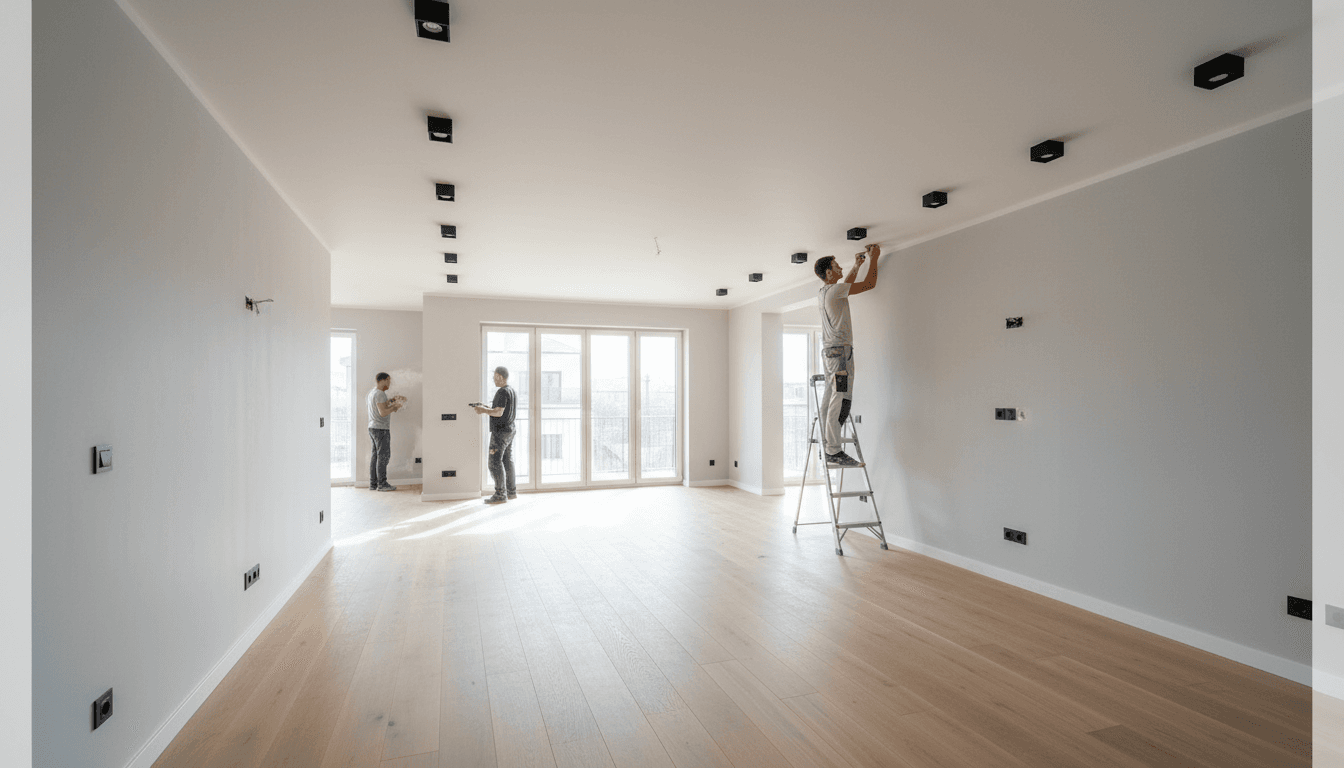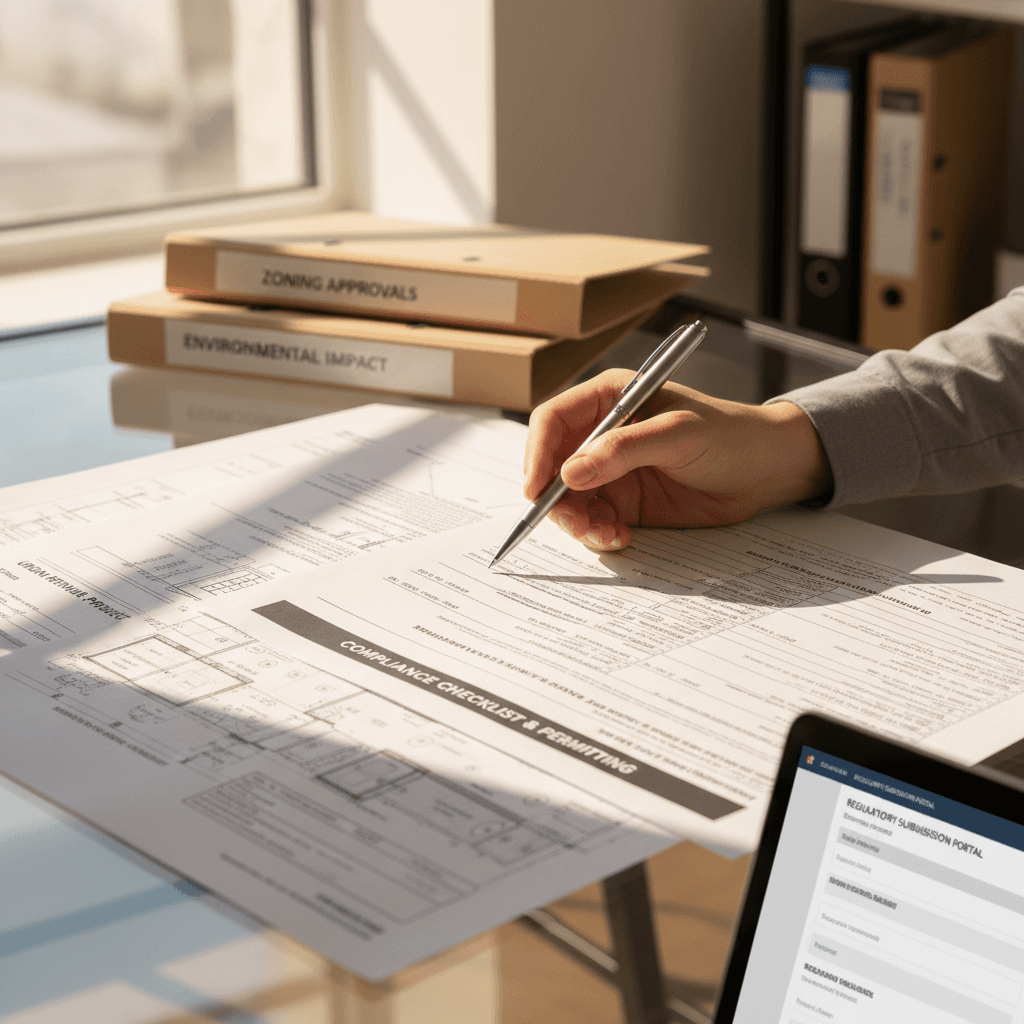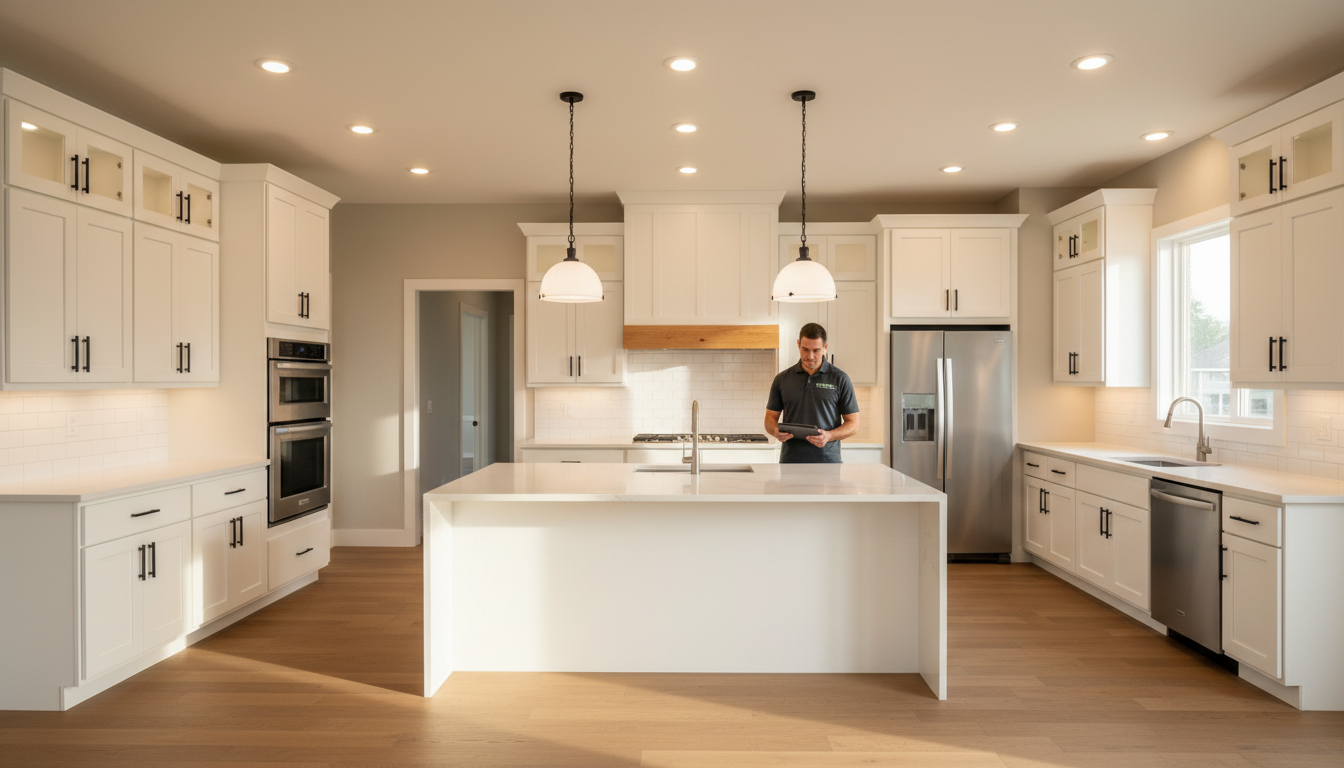
The primary differences in commercial vs residential remodeling involve the project scope, materials used, and regulatory requirements. Commercial renovations typically utilize steel or concrete and face stricter permitting standards; residential projects focus on timber frames and personal aesthetic preferences.
Many Utah property owners approach a commercial renovation with the same mindset they use for a home project, only to be met with unexpected budget hikes or regulatory delays. Whether you are upgrading a boutique storefront in Nephi or finishing a residential rental, the fundamental divide between these two sectors is vast. Failing to account for stricter fire codes, industrial grade materials, or business downtime can turn a profitable investment into a logistical nightmare. In this guide, we examine the essential differences between commercial and residential remodeling. You will gain expert insights into Utah building regulations, material durability requirements, and how to structure your budget for maximum return. By understanding these nuances, you can navigate the complexities of property development with confidence and precision.
Understanding the Fundamental Divide in Remodeling
In Nephi and Juab County, the distinction between types of construction is more than just a matter of scale; it is a fundamental shift in a building's lifecycle. Residential remodeling focuses primarily on the homeowner experience. It involves tailoring a living space for personal comfort, modernizing outdated layouts, or increasing property equity. The primary stakeholders are the occupants, and the goals are often personal and emotional.
Commercial remodeling is driven by operational efficiency, revenue potential, and public safety. When renovating a storefront on Main Street or an office space near the interstate, the priority is minimizing downtime while maximizing the utility of the square footage. This involves a broader range of stakeholders, including business owners, employees, and municipal inspectors.
At JRGoble Properties, our dual focus on property management and professional remodeling services provides a unique vantage point on how these sectors overlap. You can learn more about JRGoble Properties to see how we manage these complexities. This specialized knowledge is critical for mixed use properties where a residential unit might sit directly above a commercial retail space. Navigating the commercial vs residential remodeling divide requires understanding that while both improve a structure, the regulatory and functional demands are distinct. If you are planning a project, contact our team to review your specific requirements.
Material Standards and Structural Requirements
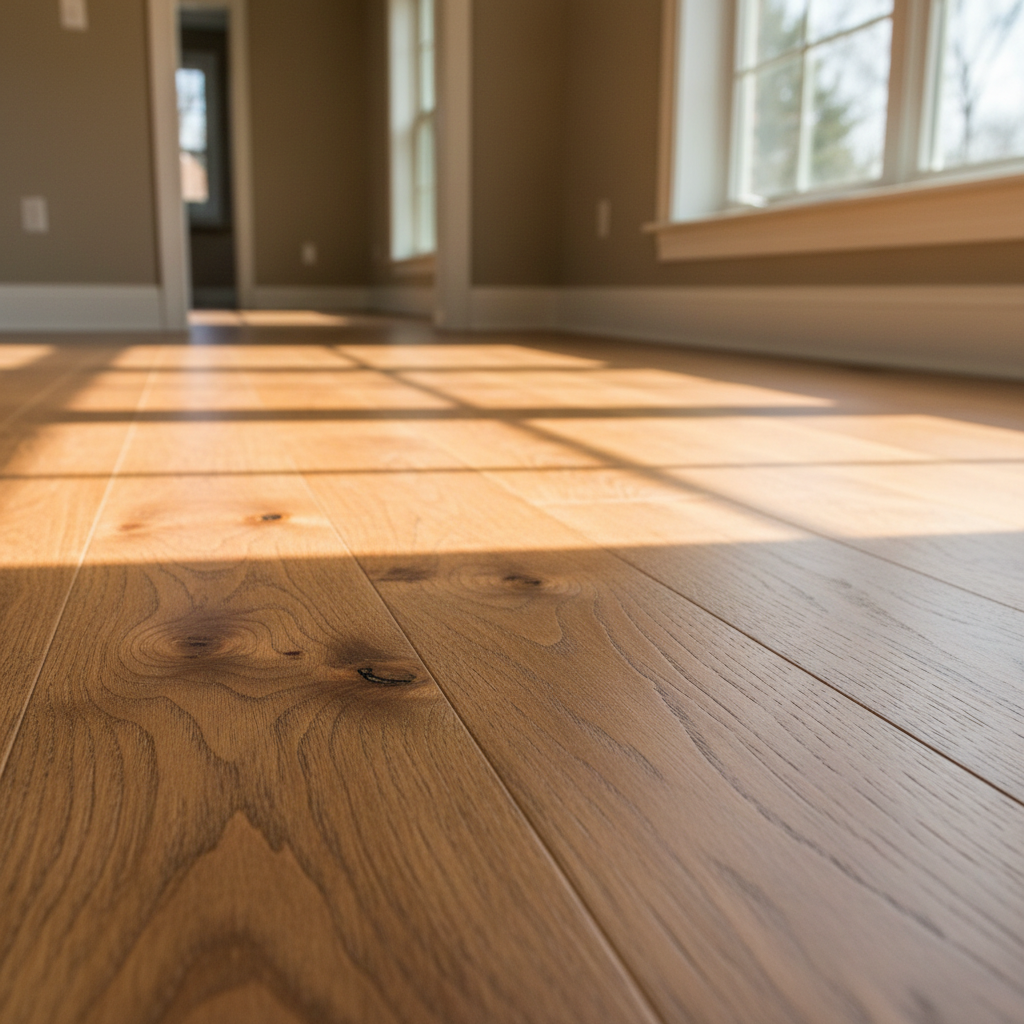
The fundamental differences in commercial vs residential remodeling are most visible in the skeleton and skin of the building. In Nephi, residential projects typically rely on wood-frame construction. Wood is cost-effective, flexible for custom architectural details, and provides excellent insulation properties for our Utah winters. Inside these homes, the focus remains on aesthetic finishes such as quartz countertops, designer lighting, and home grade appliances designed for typical family use cycles.
Commercial remodeling requires a shift toward high-durability materials like light-gauge steel framing and reinforced concrete. These materials are often mandated by fire codes and are necessary to support the larger open spans required for retail or office layouts. Usage intensity is the primary driver for these selections. While residential hardwood provides a warm look for a living room, it would quickly fail under the constant friction of hundreds of daily customers. Instead, we specify commercial-grade materials like epoxy-coated concrete, porcelain tile, or heavy-duty carpet tiles that can withstand significant wear and tear.
Feature | Residential Standard | Commercial Standard |
|---|---|---|
Framing | Timber and Wood Studs | Light-gauge Steel or Concrete |
Flooring | Hardwood, Plush Carpet, LVP | Polished Concrete, Commercial Tile |
Electrical | Romex (Plastic sheathed) | EMT Conduit (Metal piping) |
Plumbing | PEX or Copper | Heavy-duty Cast Iron or Copper |
Selecting the right materials during professional remodeling services ensures that the structure meets its intended lifespan. Commercial plumbing and electrical systems, for instance, are often housed in metal conduits to protect against the rigors of industrial use. These structural requirements create a significant gap in both material cost and labor expertise between the two sectors. Understanding these physical differences is the first step before navigating the legalities of local building departments.
Navigating Utah Building Codes and Regulations

The legal framework governing a project changes entirely when moving from a home to a place of business. In Utah, all construction must adhere to the state adopted building codes, but the specific manual we follow depends on the property type. Residential projects, specifically detached one and two family dwellings and townhouses, fall under the International Residential Code (IRC). This code focuses on life safety in a private setting. For everything else, including retail shops, offices, and multi family units, the State of Utah mandates the International Building Code (IBC).
The IBC is significantly more stringent because it accounts for a larger, more transient population. A primary differentiator in commercial vs residential remodeling involves the Americans with Disabilities Act (ADA) standards. For any commercial project, ADA compliance is a non-negotiable requirement. This includes specific mandates for restroom grab bars, counter heights, and door clearance widths to ensure public accessibility. Conversely, private residential remodels rarely require these features unless a homeowner is specifically planning for aging in place to maintain independence as they grow older.
Local administration in Nephi and throughout Juab County adds another layer of specificity. Permit applications for professional remodeling services in a commercial setting often require stamped drawings from a licensed architect or structural engineer, whereas many residential projects can proceed with detailed contractor plans.
Regulatory Factor | Residential (IRC) | Commercial (IBC) |
|---|---|---|
ADA Compliance | Optional / Aging in Place | Mandatory Public Access |
Fire Suppression | Generally not required for single-family | Sprinklers and Alarms often required |
Plan Review | Local building official review | Architect/Engineer stamp often required |
Occupancy Limits | Defined by bedroom count | Defined by square footage and exit capacity |
Navigating these codes requires a deep understanding of Juab County's specific permit processes, which vary significantly by project type. Misidentifying a code requirement early on can lead to expensive teardowns or failed inspections. If you have questions about which set of regulations applies to your specific building, contact our team to review your project plans and local requirements.
Timeline Expectations and Business Downtime
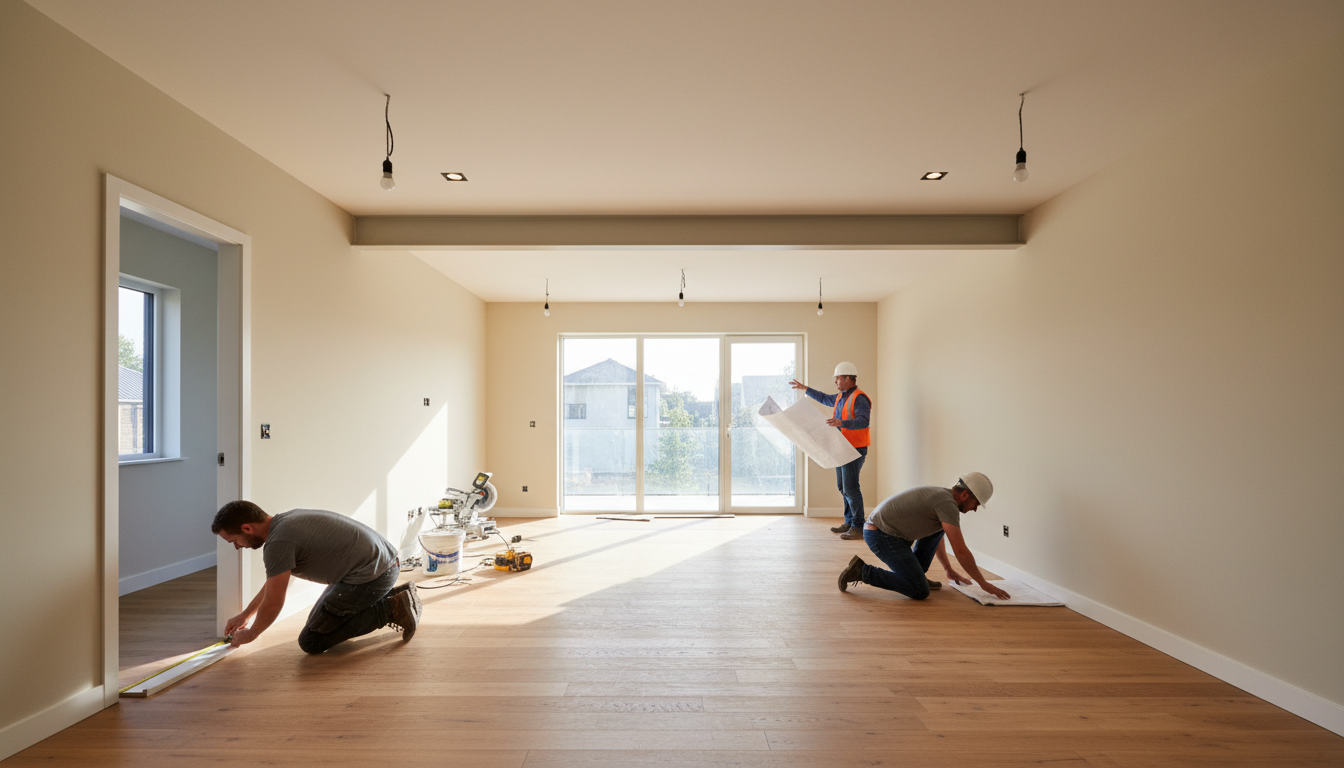
The urgency behind a renovation schedule is usually dictated by the building’s purpose. For commercial projects in Nephi, every day of construction represents a day of lost revenue and potential customer attrition. This 'time is money' reality necessitates a compressed timeline where professional remodeling services are executed with precision. We often coordinate multiple trades to work simultaneously or in staggered shifts to ensure the business reopens on schedule.
Residential remodeling operates on a different rhythm. While there is rarely a daily revenue loss associated with a home renovation, the emotional stakes of living in a construction zone are high. The focus shifts toward maintaining a clean workspace and providing predictable milestones to reduce homeowner stress. The primary differentiator in commercial vs residential remodeling schedules is this balance between financial urgency and personal comfort.
As project managers, we utilize specific scheduling strategies and local crew relationships to keep both types of projects moving. For a commercial tenant improvement, this might involve weekend work to avoid disturbing neighboring offices. For a home, it means ensuring all materials are on-site before demolition begins to prevent unnecessary downtime for the family. You can learn more about JRGoble Properties and how we balance these logistical demands. If you are concerned about your project's duration, contact our team to discuss a realistic timeline for your specific needs.
Budget Structure and Return on Investment
The financial architecture of a project shifts based on the building’s classification. Residential budgeting in Juab County is generally more straightforward, focusing on material finishes and total square footage. Conversely, commercial projects involve significantly higher upfront costs. This price gap is driven by the requirement for specialized labor, such as commercial electricians who work with EMT conduit and high-voltage systems, and plumbers who must install grease traps or industrial-grade drainage. Furthermore, permit fees for commercial work are often more expensive, reflecting the complex architectural reviews and multiple inspection phases required by local building departments.
Return on investment (ROI) also functions differently in the commercial vs residential remodeling landscape. Homeowners typically measure success through a combination of increased property equity and improved daily lifestyle. A kitchen remodel or a basement finish is an investment in the family's comfort that happens to build wealth. In the commercial sector, ROI is strictly analytical. It is measured by the property’s ability to command higher leasing rates, improve operational efficiency through better layouts, and minimize long-term maintenance costs using high-grade materials.
Investment Factor | Residential Remodel | Commercial Remodel |
|---|---|---|
Primary ROI Driver | Property Value & Comfort | Leasing Rates & Efficiency |
Labor Costs | Standard Trade Rates | Specialized Commercial Rates |
Permit Expenses | Lower, Fixed Fees | Higher, Value-Based Fees |
Material Life Cycle | 10 to 15 Years (Typical) | 20+ Years (Heavy Duty) |
At JRGoble Properties, our background in property management provides a distinct advantage when advising on commercial renovations. Because we handle tenant placement, we see firsthand which upgrades lead to faster lease signings and better tenant retention. Strategic improvements, such as modern storefront glazing or updated HVAC systems, directly impact a property’s marketability. Choosing the right professional remodeling services means targeting the features that attract high-quality tenants while ensuring the building remains durable. If you are calculating the potential gains from a renovation, contact our team for a detailed assessment of your property’s potential.
The Unique Challenges of Mixed Use Properties in Nephi
Nephi features several historic structures and newer developments that house retail shops below and apartments above. Managing these projects requires more than just a passing familiarity with different styles; it demands a technical mastery of how separate code sets interact within a single vertical stack. When executing professional remodeling services for a mixed use building, we must navigate the strict fire separation requirements mandated by the International Building Code. This ensures that a hazard in a ground floor retail space does not compromise the safety of the residents living directly above.
The complexity of commercial vs residential remodeling in these spaces also extends to utility management and acoustic privacy. We often have to retrofit sound dampening materials and separate HVAC systems to ensure that a bustling daytime business does not disturb a tenant's quiet evening. Successfully remodeling these properties requires a contractor who understands that the building serves two distinct masters, each with unique legal and functional expectations. Balancing these requirements protects the property owner's liability while maintaining the comfort of the residential occupants.
Frequently Asked Questions About Property Remodeling
### What is considered commercial remodeling? Commercial remodeling encompasses renovations to any building that is not a single family home or a duplex. This includes retail storefronts, professional offices, warehouses, and apartment complexes with three or more units. These projects prioritize public safety, ADA accessibility, and durable infrastructure designed for high traffic volumes.
### Is there more money in commercial or residential construction? From a property owner’s investment perspective, commercial real estate typically offers higher cash flow and longer lease durations. However, the initial investment for professional remodeling services is often significantly higher due to strict codes and specialized materials. Residential projects provide a more accessible entry point and steady demand, though they usually yield lower monthly margins than commercial counterparts. The choice in the commercial vs residential remodeling debate depends entirely on your capital and risk tolerance.
### Who determines if a property is residential or commercial in Utah? In Utah, property classification is primarily determined by local zoning ordinances set by municipalities like Nephi City or Juab County. The Juab County Assessor’s Office also classifies buildings for tax purposes based on their legal use. If you are navigating a transition between use types, you can learn more about JRGoble Properties or contact our team to ensure your project aligns with local land use regulations.
Navigating the distinct requirements of commercial and residential projects in Utah ensures your property remains compliant and functional. While every renovation brings its own set of challenges, understanding the nuances of local codes and permitting is essential for achieving lasting success. If you want expert help managing these complexities or simply need guidance on your next project, our team is here to support you. You can explore our full range of Services to see how we can assist with your specific property needs.