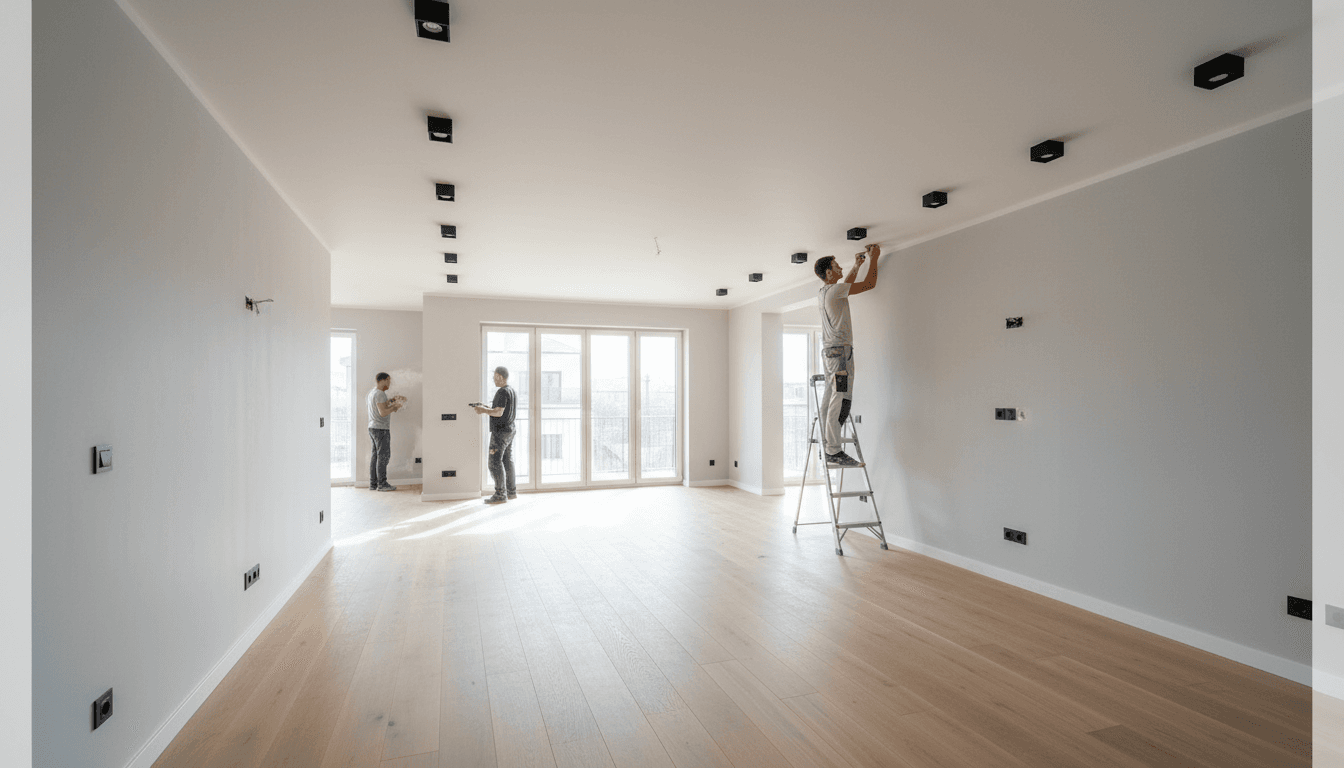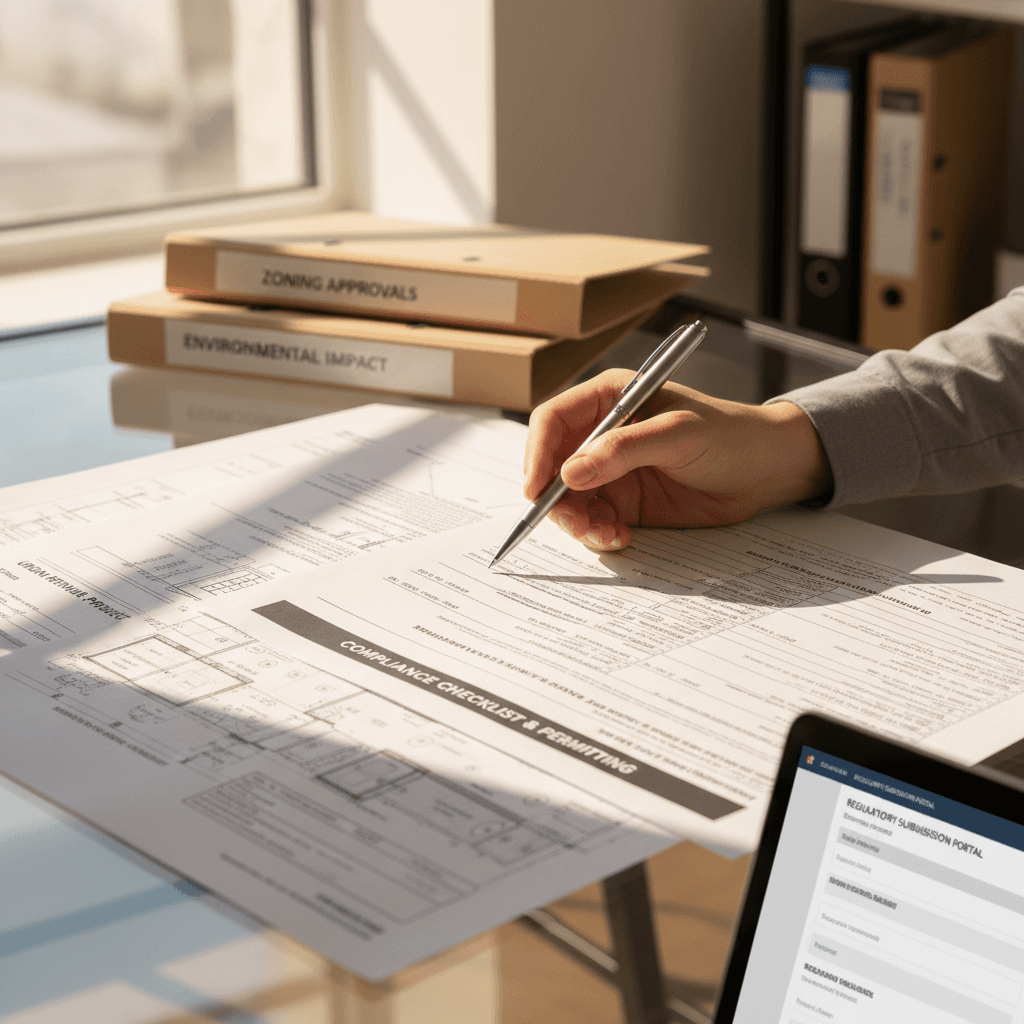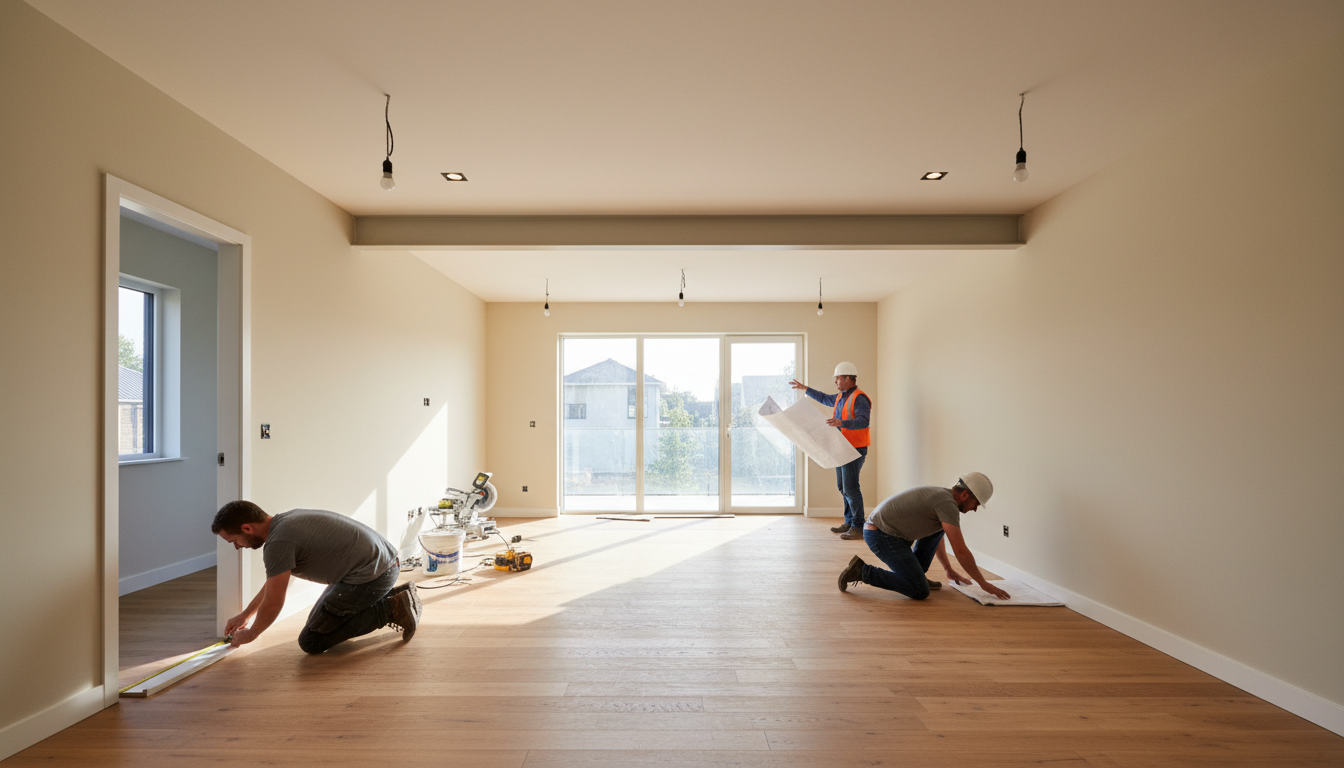
Utah property maintenance requirements 2026 prioritize increased habitability standards and specialized licensing for managers overseeing residential upkeep. These regulations mandate clearer documentation for all repairs and upgrades; property owners must follow specific safety guidelines to remain compliant with the updated legislative reforms.
Managing a rental portfolio in Utah has never been about mere upkeep; it is an exercise in navigating an increasingly complex legal landscape. As we approach 2026, many owners are finding that traditional maintenance routines no longer meet the rigorous new standards set by state lawmakers. This shift represents more than just a higher bar for habitability; it marks a fundamental change in how property managers and owners must document, execute, and disclose every repair. Failing to adapt to these professionalization mandates could lead to costly litigation or significant compliance penalties. In this guide, we will break down the updates to the Utah Fit Premises Act, explore the mandatory licensing requirements for maintenance crews, and examine the new transparency rules regarding cost disclosures. You will gain a clear roadmap for ensuring your properties remain both compliant and competitive in this new era of Utah real estate management.
The 2026 Legal Shift: Why Utah Rental Standards Are Changing
For property owners in Nephi and across Utah, the landscape of rental ownership is undergoing a significant transformation. Legislative shifts, particularly HB 337 and HB 1002, are setting the stage for a new era of accountability. While much of the initial discussion around these bills focuses on administrative changes like trust accounts or lease language, the Utah property maintenance requirements 2026 landscape is shifting toward much higher levels of transparency and documented care.
Beginning July 1, 2026, the new property manager license requirement officially takes effect through the Utah Division of Real Estate. This mandate creates a ripple effect for maintenance standards across Nephi and the broader Utah market. By professionalizing the industry, the state is effectively raising the bar for how dwellings are kept and renovated. It is no longer just about having professional property management to handle the paperwork; it is about ensuring that every repair and structural update meets a standardized professional benchmark. Owners who plan for residential and commercial remodeling must now view these projects through the lens of compliance and long term habitability. If you are concerned about how these upcoming shifts will impact your specific units, contact our team to prepare your portfolio for the 2026 standards.
Mandatory Licensing and the Professionalization of Property Maintenance
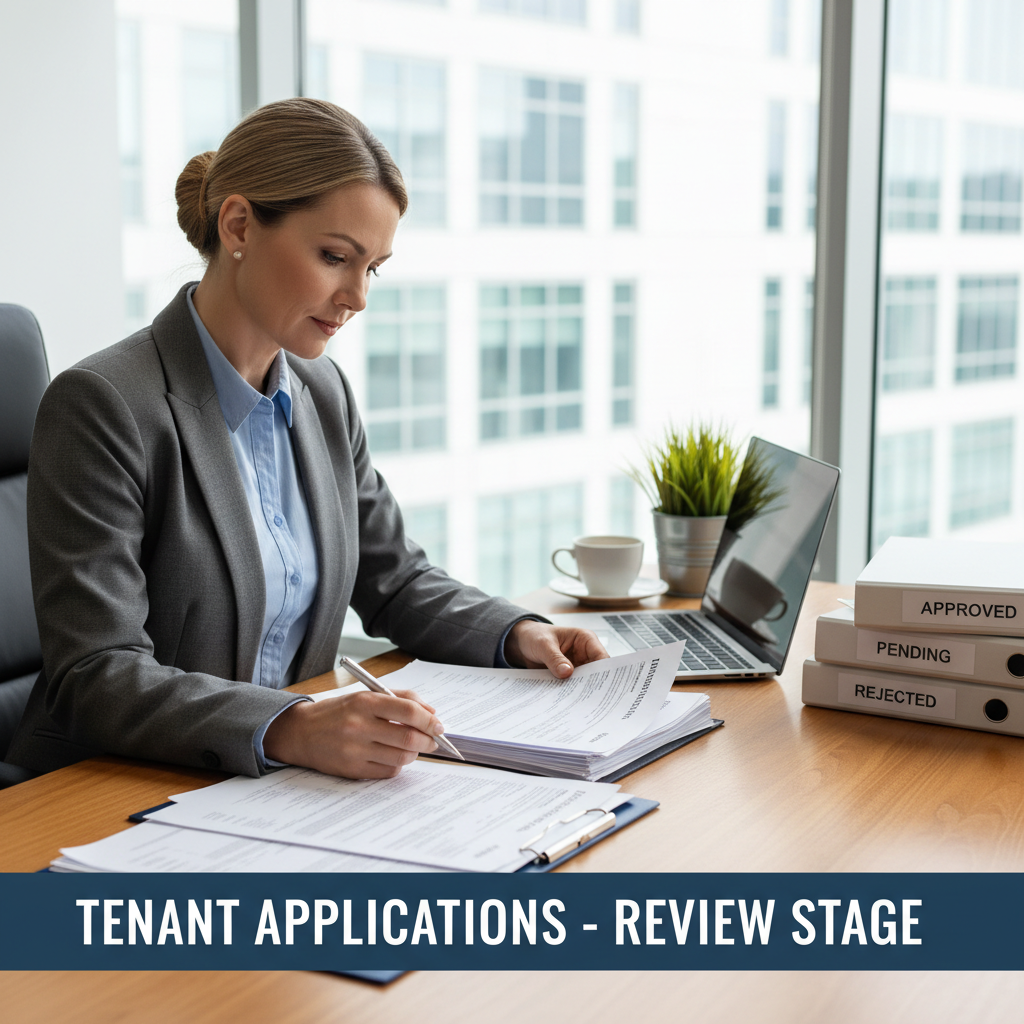
The core of this legislative shift is the professionalization of the industry through mandatory licensing. By July 1, 2026, any individual or firm managing residential properties for others must be licensed through the Utah Division of Real Estate. This mandate, established by HB 337 and HB 1002, moves property management away from a side-hustle or hobbyist activity and into a strictly regulated profession. For owners in Nephi, this means the person overseeing your investment must complete a 24-hour specialized education curriculum designed to standardize operational quality.
This education requirement is directly tied to how maintenance is performed. Modules within the curriculum are expected to cover the intricacies of the Utah Fit Premises Act, ensuring that managers understand the legal threshold for habitability. A licensed professional is held to higher ethical and oversight standards regarding property upkeep. This includes managing trust accounts for repair funds and adhering to specific timelines for addressing health and safety issues. When a manager is licensed, they are accountable to a state board; this naturally elevates the quality of professional property management.
The distinction between a casual landlord and a professional firm like JRGoble Properties becomes clear under these new standards. Unlicensed managers will no longer be able to operate legally, reducing the risk of substandard repairs that lead to litigation. By choosing a firm that integrates both management expertise and structural knowledge, you ensure that your assets meet the Utah property maintenance requirements 2026 without the risk of administrative penalties. If you need to verify how your current management strategy aligns with these new educational standards, contact our team for a portfolio review.
Utah Fit Premises Act: Maintenance Obligations in 2026
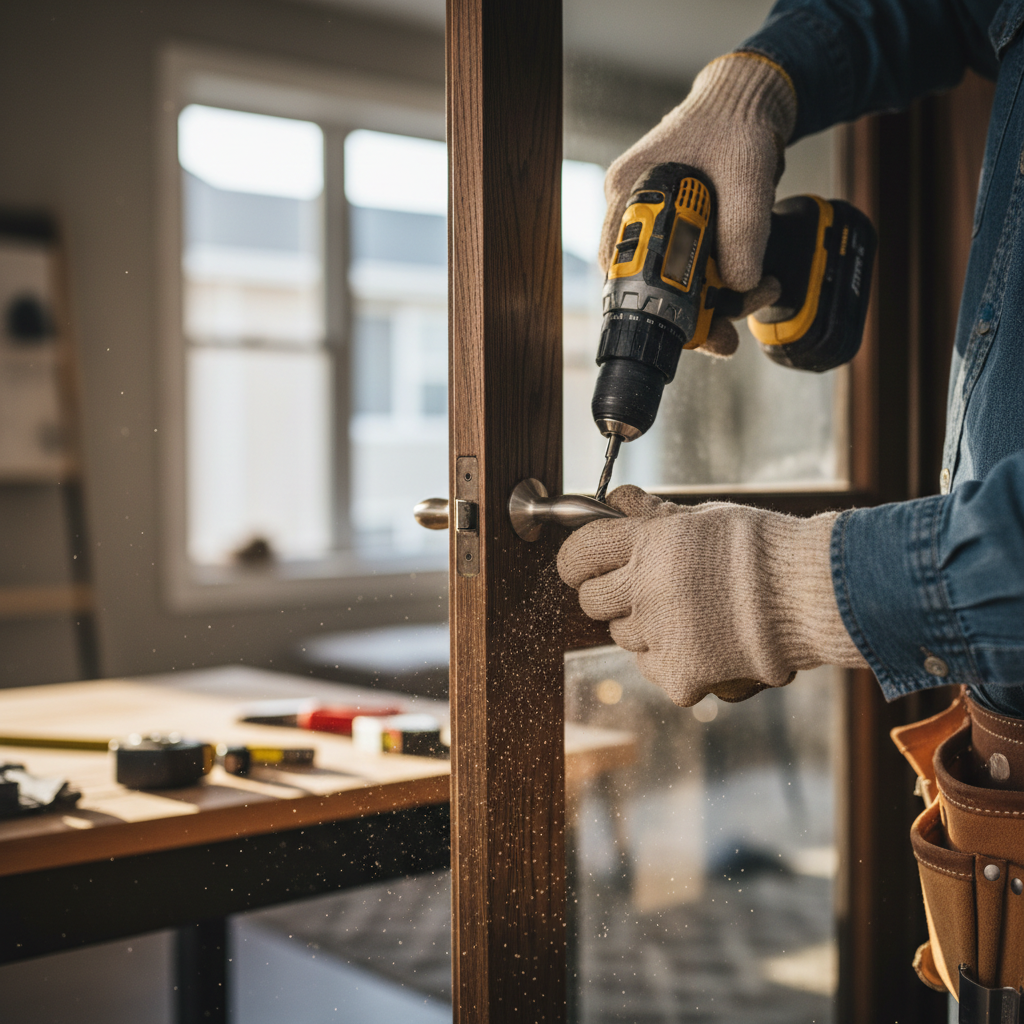
The Utah Fit Premises Act serves as the primary benchmark for habitability standards. By 2026, the enforcement of these standards will become more rigorous for Nephi property owners. Under the updated framework, maintaining a unit fit for human habitation is not a suggestion; it is a strict legal obligation. This means all essential systems, including HVAC, plumbing, and electrical, must be in good working order throughout the duration of the lease. If you provide appliances like refrigerators or stoves, the 2026 standards require they remain functional and safe. This shift moves away from the "as-is" clauses that some landlords previously used to avoid repair costs.
When considering which maintenance services do landlords need the most, the focus should remain on three critical pillars: HVAC reliability, water intrusion prevention, and prompt pest mitigation. The Utah property maintenance requirements 2026 emphasize that infestations must be addressed with professional speed. Neglecting a bed bug or rodent issue can now more easily lead to a tenant filing a formal legal complaint or exercising their right to lease termination. These laws empower tenants to hold owners accountable for the physical condition of the dwelling more effectively than in previous years.
A significant change for 2026 is how these obligations intersect with the new licensing requirements for managers. Licensed professionals are expected to maintain documented maintenance schedules that prove proactive care. Failure to maintain a dwelling does more than just frustrate a tenant; it creates a record of non-compliance that could jeopardize a management license. By integrating professional property management with high-quality residential and commercial remodeling, owners can replace aging systems before they become a liability. Modernizing a furnace or upgrading to energy-efficient appliances reduces the likelihood of emergency calls and legal friction. If your property is currently struggling with recurring maintenance issues, contact our team to establish a compliance-focused upkeep plan before the July 2026 deadline.
The Role of Remodeling in 2026 Compliance and Retention
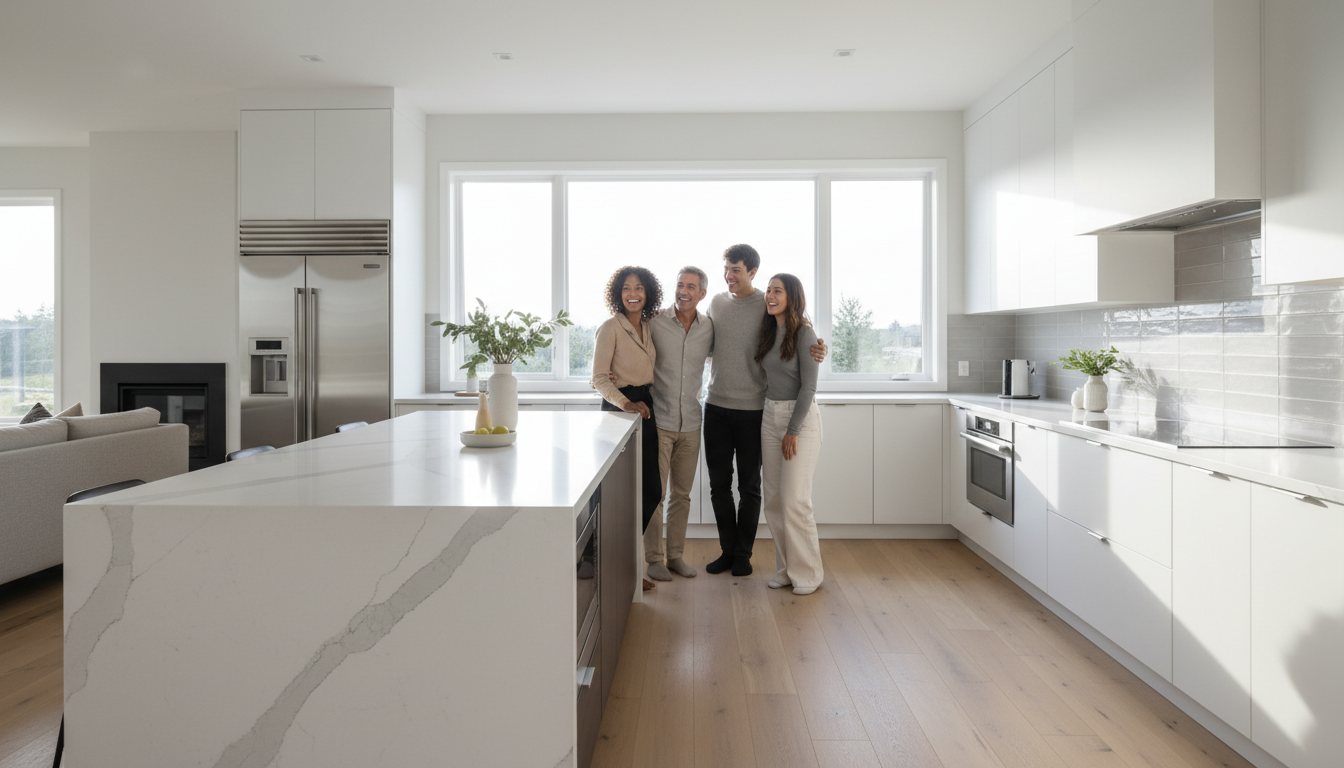
Proactive remodeling is shifting from an aesthetic choice to a vital risk mitigation strategy. Under the updated legal landscape, Utah property maintenance requirements 2026 prioritize long term safety and systemic reliability. Upgrading aging electrical panels, replacing corroded plumbing, or reinforcing structural elements during a scheduled renovation ensures that a property remains legally compliant before a tenant even moves in. In Nephi, where many rental stocks include historic or older structures, these upgrades are essential for meeting the higher habitability standards enforced by licensed managers.
The 2026 trend toward pricing transparency also changes the financial logic of remodeling. Because landlords will soon be required to provide more detailed disclosures regarding maintenance fees and repair billing, reducing the volume of work orders is a strategic advantage. Installing low maintenance finishes, such as modern cabinetry and durable flooring, minimizes the wear and tear that leads to frequent, billable repair calls. By investing in residential and commercial remodeling now, you create a buffer against the administrative burden of constant cost reporting.
Ultimately, a modernized unit serves as a tool for tenant retention. Tenants are more likely to renew in a space where systems work reliably and finishes remain in good repair. Combining professional property management with high quality construction ensures that your investment stays ahead of the legislative curve while maintaining its market value. If you need a roadmap for which structural updates will best protect your portfolio, contact our team to discuss a compliance focused remodeling plan.
Pricing Transparency and Maintenance Cost Disclosure
The 2026 legislative landscape introduces a strict focus on pricing transparency, requiring landlords and managers to provide clear disclosures regarding how maintenance fees are calculated and charged. Under these new rules, the practice of applying vague repair markups or undisclosed administrative surcharges will face significant scrutiny. For property owners in Nephi, this means every expense tied to professional property management must be defensible, documented, and clearly communicated to the tenant within the lease agreement or through itemized billing.
A critical component of meeting the Utah property maintenance requirements 2026 involves the strategic documentation of preventive maintenance. Expert property owners typically budget approximately 1% of the property's total value annually for routine upkeep. To remain transparent while protecting your investment, you should maintain a detailed ledger that categorizes these costs, such as HVAC filter replacements, gutter cleaning, and water heater flushes.
Integrating these routine tasks with larger residential and commercial remodeling projects allows you to smooth out financial spikes and present a clear value proposition to your tenants. Detailed record-keeping ensures that when maintenance fees are charged, they are backed by a transparent history of work that preserves the dwelling's habitability. If you need assistance structuring your maintenance disclosures to align with these new transparency mandates, contact our team to establish a compliant reporting system.
Structural Alterations and Habitability Standards
As the July 2026 deadline approaches, distinguishing between minor upkeep and significant structural alterations becomes vital for liability protection. While a cosmetic fix like replacing a faucet is straightforward, alterations involving load-bearing walls, electrical load capacities, or structural egress fall under much stricter scrutiny. The upcoming Utah property maintenance requirements 2026 will penalize "grey market management," where unlicensed individuals perform unpermitted work that bypasses local building codes. If a structural change impacts tenant safety and lacks professional documentation, the owner faces significant legal exposure under the refined habitability standards.
Using a firm that understands both professional property management and the technicalities of residential and commercial remodeling is the only way to ensure every alteration meets state requirements. In Nephi, older properties often require structural reinforcement or updated framing to remain legally habitable. We ensure all work is permitted and performed by experts who understand how construction impacts long-term management and tenant safety. To audit your property for potential structural risks or unpermitted past work before the new laws take effect, contact our team today.
Documentation and the 24 Hour Entry Rule

Compliance with Utah Code Section 57-22-4 remains a non-negotiable standard for any property owner. This statute mandates that landlords provide at least 24 hours of prior notice before entering a dwelling for repairs, inspections, or maintenance. As the Utah property maintenance requirements 2026 framework shifts toward greater accountability, the legal scrutiny regarding tenant privacy will intensify. Any residential and commercial remodeling project or routine service call must be preceded by a formal, documented notice to avoid claims of tenant harassment or breach of the lease agreement.
We recommend that Nephi property owners adopt digital maintenance logs to record every entry and completed repair. These logs serve as a vital paper trail for the upcoming 'residential rent payment reporting' and transparency mandates. By maintaining an itemized digital history of work performed, you prove that the dwelling meets habitability standards in exchange for the rent received. This high level of organization is a hallmark of professional property management and protects your investment from litigation. If you need assistance implementing a digital tracking system that aligns with 2026 standards, contact our team for a consultation.
Navigating the 2026 legislative shifts in Utah requires a proactive approach to property upkeep and renovation standards. Ensuring your rentals meet these updated requirements is essential for both legal compliance and tenant satisfaction. While these changes might seem daunting, you do not have to manage the transition alone. If you want expert help streamlining your maintenance workflows and protecting your investments, you can learn more About our dedicated team and approach. We are committed to helping local owners thrive in this evolving regulatory landscape.